A production problem can bring a steel plant to a standstill, and finding the cause is not always easy. When a major steelmaking customer in Arkansas ran into trouble, it turned to Tokai Carbon for help. The company's technical service manager was in the middle of training employees at the time, but upon getting the call from the customer, he left the session and drove to the plant. Sitting down with the customer's operations team, he worked through the data and helped identify adjustments to get production back on track. He charged nothing for the visit. The customer buys graphite electrodes from multiple suppliers, yet when production problems arose, it was Tokai Carbon that got the call.
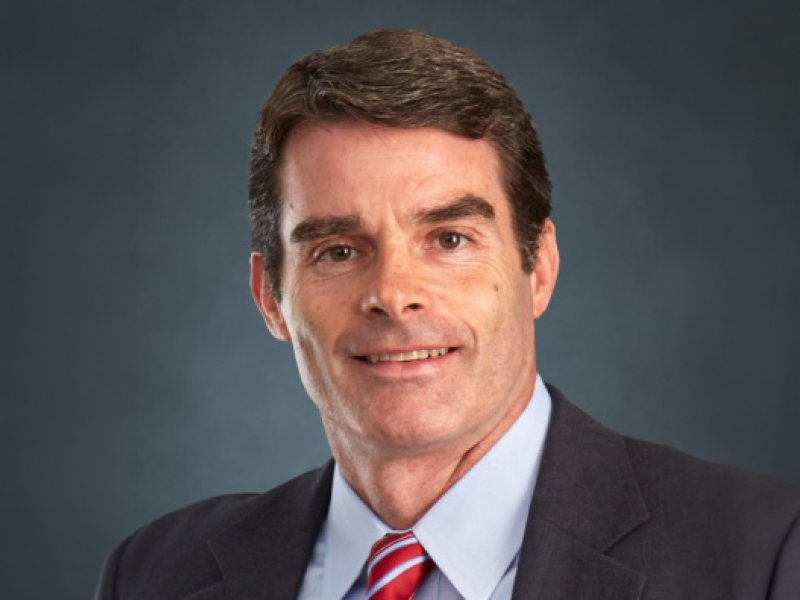
For Scott Carlton, president of Tokai Carbon, this is what a customer relationship should look like. Selling a product is one thing; standing beside the people who use it is another. Carlton has spent more than three decades in the graphite electrode industry. Before joining Tokai Carbon, he worked for SGL Carbon for over 25 years, holding financial and accounting positions across several locations and eventually leading its North American business. In 2017, following Tokai Carbon's acquisition of the US operation, he moved to the other side of the transaction to lead the business he already knew well and leveraged the experienced leadership team already in place. Together, the executive team brings more than 100 years of collective experience in the graphite electrode industry, a depth of expertise that sets the company apart from many of its competitors.
The operation, with plants in Kentucky and Arkansas and headquarters in Charlotte, North Carolina, had only around 125 employees at the time. Its people had experience, but their talents were not being fully utilized, and the business lacked a clear vision and long-term focus. Even though the company would never be the industry’s largest producer, Carlton believed the company could not only compete but win on enhanced technical service and the highest level of product performance in the industry. As he explained, “We're going to be the best in every aspect of the graphite electrode business… and become the #1 supplier of choice to every steel customer in the US.”
That meant changing the way the company worked, beginning with the people already there. When it came time to establish the company’s core values, Carlton and leadership did not simply write a list and ask employees to follow it. The leadership team and the workforce helped develop the core values themselves, giving everyone a role in defining how the company should operate. Not everyone wanted to work under the new expectations. Some left, while other experienced employees from competing businesses took notice and joined the team. Carlton's approach to leadership rests on a straightforward belief: “I care about the people and want them to be successful and take pride in their work each and every day,” he says.
The same thinking shapes how Tokai Carbon supports the customers, the steelmakers. Graphite electrodes take four to five months to manufacture, and customers often schedule deliveries 6-12 months ahead. Once a shipment is scheduled, even a short delay can force a steel plant to adjust its receiving and production schedules. Carlton says the company has achieved 99% on-time delivery over the past five years, with no customer quality-related claims during that period. As he puts it, “Strength through stability.”
When trucking shortages made deliveries more difficult, Tokai Carbon established its own fleet rather than relying entirely on outside carriers. The move gave the company greater control over shipments and created driving jobs with a schedule that allows employees to return home each night. Carlton says drivers have been eager to join because the company respects their time and family commitments.
Inside the steel plant, support continues after delivery. Tokai Carbon's technical service teams include people who have worked in steelmaking and understand the demands of electric arc furnaces. They help customers operate electrodes more effectively, provide training at no charge, and use a patented system to monitor electrode performance and inventory. The company also tailors its raw material formulations and manufacturing conditions to different customer furnaces, electrode sizes, scrap types, and operating demands. Safety is central to the process because a broken electrode can create a serious hazard. Carlton believes the company's role extends beyond supplying a product: “We want them to run their operations safely and efficiently. We want them to run our products,” he explains.
Carlton applies the company's motto, “Strength through stability,” to the way it treats employees, serves customers, and manages the business. Tokai Carbon has avoided layoffs, maintained a largely unchanged senior leadership team for a decade, and continued investing through difficult years for the US graphite electrode industry. While competitors have announced plant closures and capacity reductions, the company is preparing for anticipated growth in domestic steel production.
The next phase includes significant investment in key operational areas in 2027 and further work on AI-enabled analytics. The company has spent about 18 months organizing historical manufacturing and customer performance data so its teams can look for relationships that may have gone unnoticed. Carlton is very confident in his team, and expects the work to reveal ways to improve operations further, though he recognizes that meaningful results will take time.
When Carlton talks about the company's progress, he brings the focus back to the people who manufacture the electrodes, support customers, and keep deliveries on schedule. His leadership has remained rooted in that belief, from involving employees in defining the company's values to making decisions that support their families.
For customers, the company's flattened organizational structure means they can reach the people responsible for making decisions without navigating several layers of management. Carlton puts it simply: “Just call us. We have the same team we did 10 years ago, and we can make decisions very quickly,” he says. At Tokai Carbon, that directness is part of how the company works every day.
Scott Carlton, President
tokaicarbonusa.com
“We're going to be the best in every aspect of the graphite electrode business, and be the #1 supplier of choice to every steel customer in the US”
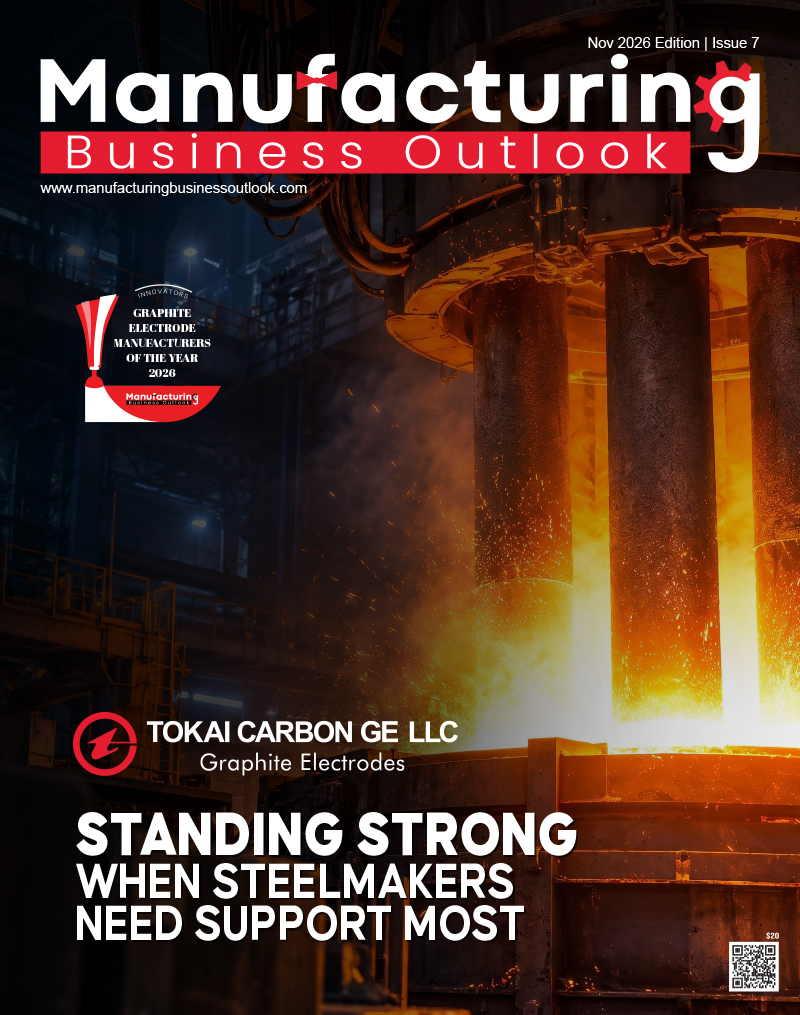
Manufacturing Business Outlook is a dedicated magazine to providing valuable insights and comprehensive coverage of the trends, challenges, and opportunities shaping the manufacturing landscape today.
We respect your privacy. The email address you provide will be used solely for subscription purposes and will not be stored or shared.
Subscribe Now
